Using energy-saving appliance settings is one of the most effective ways to reduce household utility costs while keeping your appliances operating at their best. These features help lower energy or water consumption and support long-term performance.
By understanding how these energy-saving settings function, you can use your appliances more efficiently, make the most of their built-in features, and potentially reduce your monthly utility costs.
Understanding Energy-Saving Appliance Settings
Appliances use a variety of features to reduce energy use. Some adjust temperatures, some lengthen cycles to conserve heat, and others rely on sensors to control water or airflow. Not every appliance includes the same modes, and performance can vary based on installation conditions, water quality, load size, or household habits.
The following sections explain common energy-saving appliance settings and what to expect when using them. Because features and performance vary between models, always refer to your appliance’s user manual for details specific to your unit.
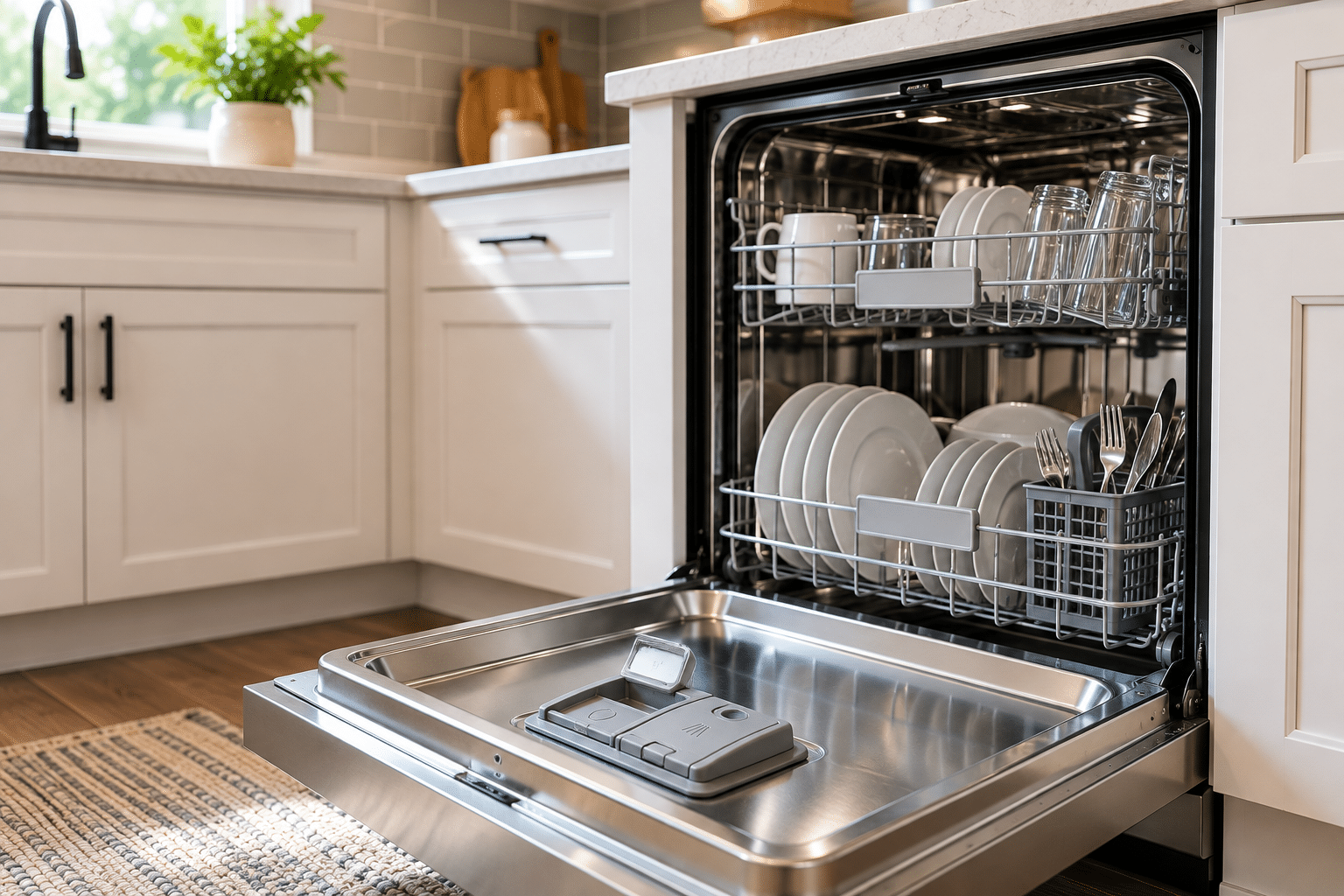
Energy-Saving Features on Dishwashers
Dishwashers use water temperature, cycle design, and drying options to reduce energy use while maintaining cleaning performance.
How to Use These Settings
-
Select Eco Wash or Sensor Wash for everyday cleaning. If dishes have baked-on residue or heavy soil, a stronger cycle may still be needed for best results.
-
Turn Heated Dry off and choose Air Dry or Energy Saver Dry instead.
-
Run full loads rather than partial ones for maximum efficiency.
-
Scrape plates lightly—heavy pre-rinsing increases water use and can confuse soil sensors.
Benefits
-
Eco and sensor cycles use less water and electricity by optimizing cleaning time.
-
Air drying cuts energy use significantly by avoiding the heating element.
-
Full loads reduce the number of cycles needed each week.
-
Soil sensors ensure dishes are cleaned efficiently without extra rinsing.
Using your dishwasher’s eco-friendly settings is an easy way to reduce water and energy use while still getting dependable cleaning results.
Energy-Saver Modes on Refrigerators
Refrigerator energy-saving features adjust cooling cycles, internal heaters, and moisture controls to reduce power consumption without compromising food safety.
How to Use These Settings
-
Turn on Energy Saver, Eco Mode, or similar options through the control panel.
-
Keep fridge and freezer doors closed as much as possible to support efficient compressor operation.
-
Expect slight changes in temperature or moisture—this is normal in energy-saver mode. For best food safety, keep your refrigerator set between 37–40°F and your freezer at 0°F, and use a thermometer to confirm temperatures remain within safe ranges.
-
If you notice condensation on door gaskets, temporarily turn off the mode to reactivate the door heaters.
Benefits
-
Uses less electricity by reducing compressor workload and moisture-control heating.
-
Maintains safe cooling while lowering energy consumption.
-
Helps keep monthly utility bills down with no change in daily use.
Using your refrigerator’s energy-saving mode helps lower electricity use without sacrificing everyday performance.
Low-Heat and Sensor Drying Features on Dryers
Dryers reduce energy use through low-heat cycles and moisture sensors that adjust drying time based on fabric needs.
How to Use These Settings
-
Select Low Heat, Eco Dry, or Sensor Dry for most laundry loads.
-
Expect longer cycle times—this is normal with lower temperatures.
-
Avoid very small loads, which may cause sensors to stop the cycle too early.
-
Clean the lint filter before each use, and keep the vent line maintained for proper airflow. If you notice unusually long drying times, burning smells, or excessive heat around the dryer, stop using the appliance and schedule a professional inspection to prevent fire hazards.
Benefits
-
Saves energy by lowering heat output and preventing over-drying.
-
Protects fabric quality with gentler drying temperatures.
-
Reduces utility costs, especially in households that run frequent loads.
-
Works best with proper airflow—professional vent cleaning every 6–12 months helps maintain performance.
Using low-heat and sensor drying options offers reliable results while keeping energy use and wear on your dryer to a minimum.

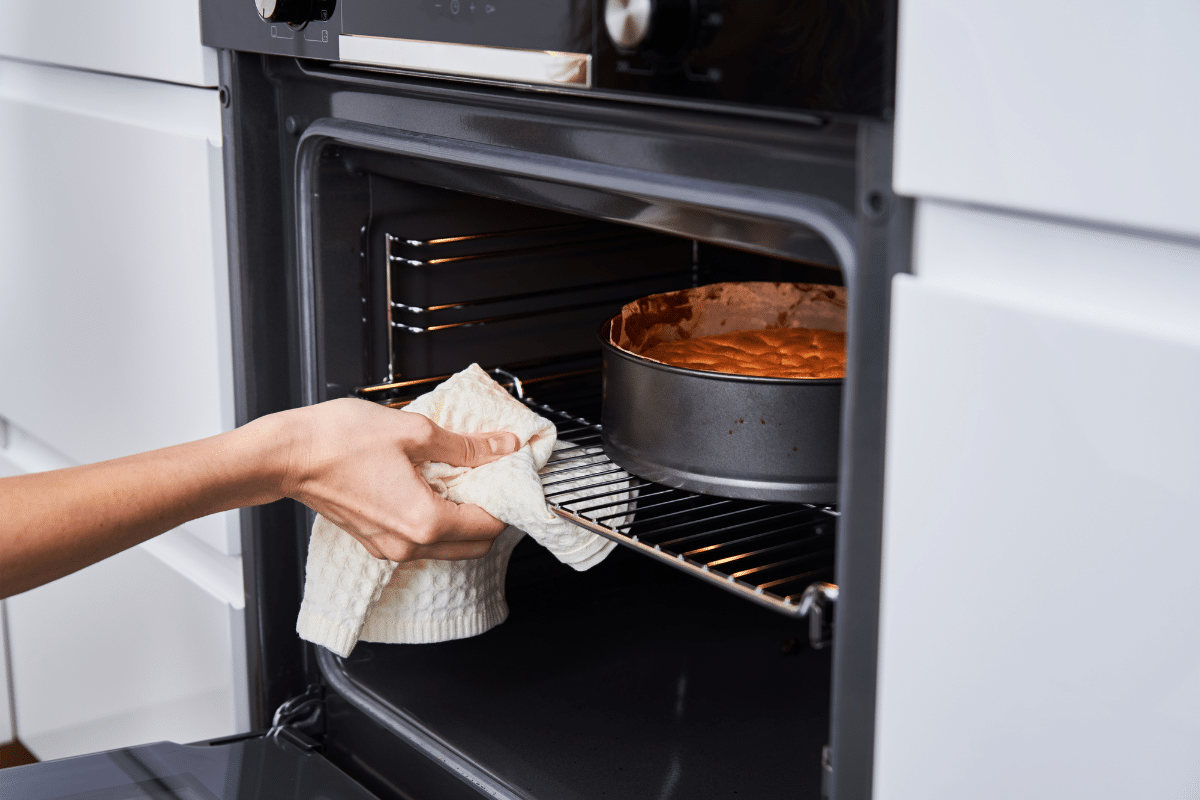
Energy-Saving Features on Ovens and Ranges
Modern ovens improve efficiency through features like convection fans, faster preheat options, and controlled heat distribution.
How to Use These Settings
-
Use Convection Mode whenever possible—it circulates hot air for faster, more even cooking.
-
Select Rapid Preheat for shorter warm-up times when you’re in a hurry.
-
Avoid opening the oven door during baking, which forces the appliance to use extra energy to recover heat.
-
Cook multiple dishes at once if temperatures allow to maximize energy use per cycle.
Benefits
-
Convection reduces cooking time and allows for lower temperatures.
-
Faster preheat options cut down on idle energy use.
-
Maintaining a stable temperature helps food cook more efficiently.
-
Cooking multiple dishes saves both time and electricity.
Making use of these energy-saving cooking features helps reduce energy use while still delivering consistent, high-quality results in the kitchen.
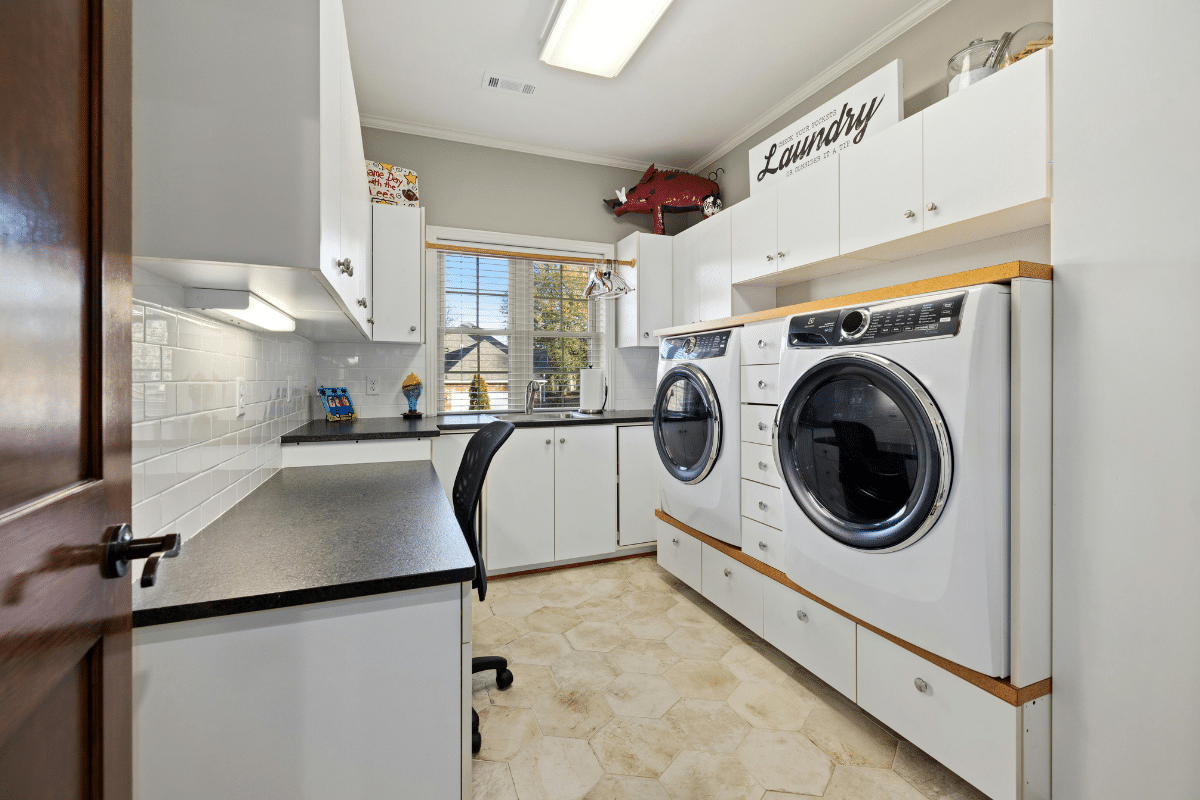
Energy-Saving Features on Washing Machines
Modern washers automatically adjust water levels, cycle duration, and temperature to improve efficiency and protect fabrics.
How to Use These Settings
-
Choose Cold Wash when possible—modern detergents work effectively at lower temperatures.
-
Use Eco Wash or Quick Wash for lightly soiled loads to reduce water and energy use. For heavily soiled items like towels, work clothes, or bedding, warm or heavy-duty cycles may be necessary to achieve a full clean.
-
Allow Load Sensing to run; it determines the right amount of water automatically.
-
Avoid overloading, which can reduce cleaning performance and trigger longer cycles.
Benefits
-
Cold water cycles reduce energy use by avoiding water heating.
-
Eco settings use less water and electricity while still cleaning effectively.
-
Load sensing prevents wasted water and unnecessary cycle time.
-
Less heat and agitation help extend the life of clothing.
Taking advantage of your washer’s energy-saving options helps reduce resource use while maintaining dependable cleaning performance.
Final Note on Energy Saving Appliance Settings
Using energy-saving appliance settings helps lower utility costs and supports the long-term performance of your household appliances. These modes operate differently depending on the brand and model, so variations in results are normal.
When an appliance stops working as expected, schedule service with the Scottsdale appliance repair experts at Tiger Appliance Repair today.